The Highlands of Scotland: Culture, Landscape, and Heritage

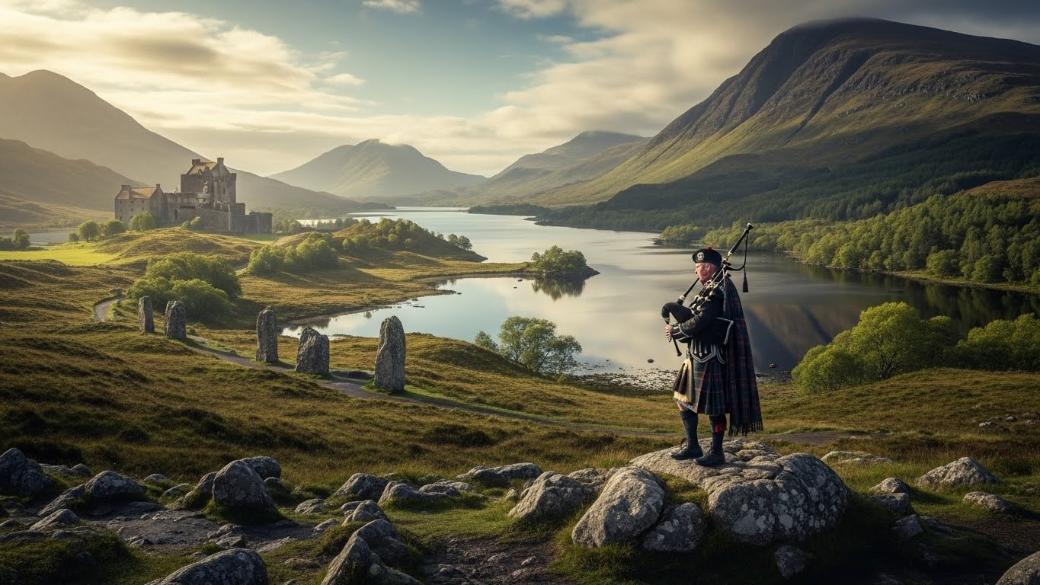
The Scottish Highlands, with their rugged landscapes, rich history, and unique culture, are among the most iconic regions of Scotland. Steeped in tradition and natural beauty, this area has long captured the imagination of those who have visited or learned about it. From the towering peaks of Ben Nevis to the mysteries of Loch Ness, the Highlands are as much a part of Scotland’s identity as its famous kilts and bagpipes. But beyond their scenic views, the Highlands are home to a fascinating history and vibrant culture that continue to influence the nation today. Let’s take a closer look at the geography, history, traditions, and culture of this extraordinary region.
1. The Geography and Landscape of the Highlands
The Scottish Highlands is a vast, rugged region in northern Scotland. Towering mountains, deep valleys, and picturesque lochs mark it. The landscape itself is dramatic and striking, shaped by millions of years of geological activity, glaciation, and natural erosion. The Highlands stretch from the Grampian Mountains in the southeast to the North Coast in the north, offering some of the most stunning natural vistas in the world.
One of the most famous landmarks is Ben Nevis, the highest mountain in the United Kingdom, standing at 1,345 meters (4,413 feet). Its towering peak attracts climbers from around the world and is an iconic symbol of the rugged beauty of the Highlands.
Another defining feature of the region is the abundance of lochs (lakes). Loch Ness is undoubtedly the most famous, mainly due to the legends of the Loch Ness Monster, a mythical creature said to inhabit its waters. Loch Ness, along with others like Loch Lomond and Loch Awe, adds to the charm of the Highlands with its serene waters nestled between mountainous hills.
The Highlands’ climate is heavily influenced by its geography. The region experiences cooler temperatures, frequent rainfall, and strong winds, creating a distinct and sometimes harsh environment. However, these elements contribute to the unique biodiversity and natural beauty found in the Highlands, from moss-covered forests to remote glens filled with wild deer and other creatures.
2. The History of the Highlands
The history of the Highlands is intertwined with centuries of Scottish heritage, from ancient tribes and clans to wars for independence and territorial disputes. The people of the Highlands were traditionally Gaelic-speaking, and many of their customs, myths, and traditions are deeply rooted in Gaelic culture.
One of the most defining aspects of Highland history is the role of the clans. These extended family groups formed the backbone of Highland society, each clan identified by its distinct tartan, crest, and motto. Clans like the MacDonalds, MacLeods, and Camerons were powerful forces in the region. They played central roles in Scotland’s cultural and military history.
The Jacobite rebellions of the 17th and 18th centuries, which sought to restore the Stuart monarchy, were a significant chapter in the history of the Highlands. Clans like the Jacobite supporters of Bonnie Prince Charlie famously fought for the cause, with some of the most notable battles taking place in the Highlands, such as the Battle of Culloden in 1746. This defeat marked the end of the Jacobite cause. It led to severe repercussions for Highland culture, including the British government’s efforts to suppress the kilt and the Gaelic language.
The Highland Clearances during the 18th and 19th centuries also shaped the region’s history. Tens of thousands of Highland Scots were forcibly evicted from their land to make way for sheep farming, leading to mass migration, particularly to places like Canada and the United States. This period caused great hardship for the Highland people and left a lasting scar on the region’s communities.
Despite these challenges, the Highlands have remained a proud and resilient region, with a deep connection to their history and traditions.
3. Highland Culture and Traditions
The culture of the Highlands is rich and diverse, steeped in Gaelic traditions passed down through generations. Though the language is no longer as widely spoken as it once was, there has been a revival of interest in Gaelic, and efforts to preserve and promote it are ongoing. Gaelic is still taught in schools in parts of the Highlands, and some communities continue to speak it as their first language.
Music is an integral part of Highland culture. Bagpipes are the most iconic instrument associated with the Highlands, with their haunting, powerful sound representing the region’s spirit. Bagpipe music is often heard at ceremonial events, festivals, and especially at the famous Highland Games.
The Highland Games are another key tradition. These events, which celebrate Highland heritage through athletic competitions such as tossing the caber and the stone put, also feature dancing, music, and the wearing of traditional attire, such as the kilt. These games, held annually in various towns across the Highlands, are a celebration of Scottish strength, skill, and community.
Another cornerstone of Highland culture is ceilidh dancing, a lively, social form of traditional Scottish dancing often performed at weddings and gatherings. It’s a way for people to come together, enjoy music, and celebrate life. It remains an enduring part of Scottish tradition today.
The kilt is, of course, one of the most recognizable aspects of Highland culture. Historically worn by Highland men for both practical and ceremonial purposes, the kilt’s tartan pattern and colors are linked to different Scottish clans. Today, wearing a kilt is a symbol of Scottish pride and heritage, worn at weddings, festivals, and other special occasions.
4. The Clans of the Highlands
The Scottish clans are at the heart of Highland identity. These family groups, each with its own distinct tartan, were not only a social structure but also a military force. Clans were organized around a chief who was responsible for protecting and guiding the clan members. Clan loyalty was paramount, and family ties were stronger than any allegiance to the crown or the government.
Many of Scotland’s most famous clans originated in the Highlands. The MacDonalds, for example, were one of the largest and most powerful Highland clans, often known for their fierce independence and rivalry with the Campbells. The MacLeods and Camerons also have deep roots in the Highlands and remain proud symbols of the region’s clan culture.
The tartan is one of the most visible signs of clan identity. Each clan has its own distinct tartan pattern, which its members wear as a mark of pride and connection to their heritage. Tartans can also be linked to specific events or regional identities, making them a key part of Highland life.
5. Modern-Day Highlands
In modern times, the Scottish Highlands have become a major tourist destination, attracting visitors from all over the world. Tourists come to experience the breathtaking landscapes, learn about Highland history, and participate in cultural events like the Highland Games and ceilidh dances.
While tourism has brought economic benefits to the region, it has also raised concerns about preserving the region’s authentic culture and heritage. Many Highlanders are working hard to protect their traditions, from the Gaelic language to the preservation of historic sites like Eilean Donan Castle and Urquhart Castle.
The Highlands are also home to vibrant communities that continue to live with a deep connection to their land and heritage. In addition to tourism, industries like farming, whisky production, and local crafts continue to thrive in the region.
6. The Spiritual and Mystical Side of the Highlands
The Highlands are a land steeped in myth and legend. Stories of ghosts, fairies, and legendary creatures have been passed down for generations. The Loch Ness Monster, a mythical creature said to live in Loch Ness, is perhaps the most famous of these legends, captivating the imaginations of people around the world.
Highland folklore is also rich with tales of ancient warriors, mythical kings, and supernatural beings. The standing stones and stone circles scattered throughout the region add to the mystical atmosphere, offering glimpses into Scotland’s ancient past and its connection to the otherworldly.
Conclusion
The Scottish Highlands are more than just a beautiful region—they are the heart of Scotland’s cultural, historical, and spiritual identity. From the stunning natural landscapes to the deep-rooted traditions of the people, the Highlands offer a unique glimpse into the soul of Scotland. The stories of the clans, the mystical legends, and the enduring pride of Highlanders continue to inspire and captivate those who visit or learn about this extraordinary part of the world. Whether you’re drawn to its rugged beauty, its history, or its traditions, the Highlands are a testament to Scotland’s enduring spirit.