The Meaning Behind the Colors of a Kilt

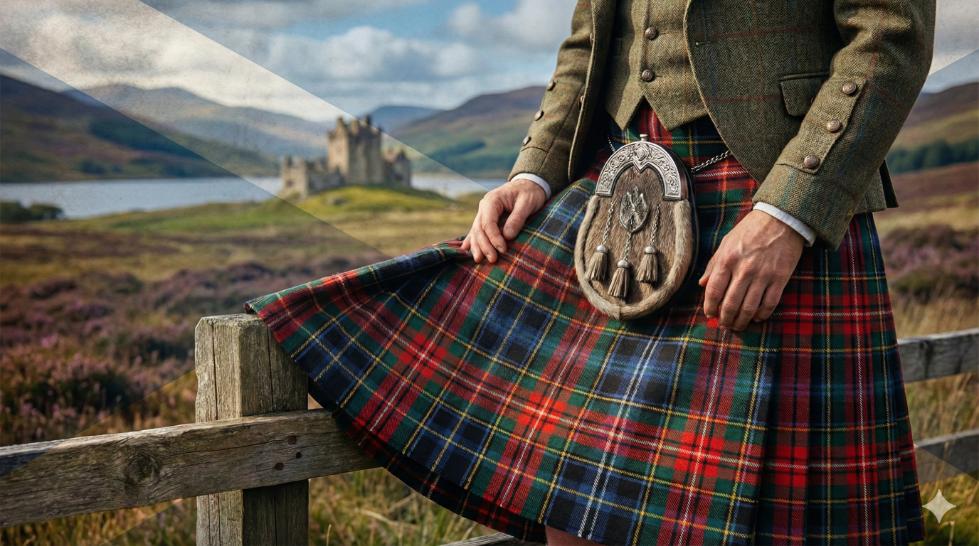
Kilts are more than just a piece of clothing in Scotland; they are a living testament to the country’s rich culture, history, and heritage. Whether worn for a formal event, a wedding, or a Highland Games competition, the kilt is a symbol of pride and identity. But what do the colors of a kilt actually represent? The colors and patterns of a kilt tell stories of clans, regions, and even historical events. Let’s take a deeper look at the meaning behind these colors and how they reflect the spirit of Scotland.
1. The History of the Kilt
The kilt, in its modern form, is a distinct Scottish garment that dates back to the 16th century, though its origins are much older. The earliest versions of the kilt were large, draped pieces of cloth called the “great kilt” or feileadh mòr. Men across the Highlands wore this garment, a practical item that could serve as a blanket, shelter, and clothing.
Over time, the kilt evolved into the smaller “small kilt” or feileadh beag. This simpler, more functional design could be wrapped around the waist and fastened with a belt. The modern kilt we know today, made from tartan fabric and worn with a sporran, kilt hose, and jacket, became standardized in the 19th century, heavily influenced by Victorian fashion and the romanticization of Scottish heritage.
However, the kilt has always been more than just a garment; it’s a visual expression of Scottish identity. Each kilt is made from a tartan pattern, and the colors and design of the tartan have deep meanings, often tied to family clans, regions, or historical moments.
2. What Do the Colors of a Kilt Represent?
The tartan pattern is key to understanding the symbolism of the kilt. Tartans are woven with various colors, each representing different aspects of Scottish culture. While the specific meanings of tartan colors can vary by region or clan, there are common themes.
Clan Tartan Colors
The most important aspect of a kilt’s color pattern is its connection to Scottish clans. Each clan has its own unique tartan, and the colors within that tartan represent the family’s history, values, and sometimes the geography of the area they come from.
For example:
- The MacDonald Tartan features red and yellow, which are often associated with bravery and strength. The MacDonalds were one of the most powerful clans in Scottish history, and their tartan reflects the fierceness with which they defended their lands.
- The Stewart Tartan, another well-known design, uses red and green, colors associated with royalty. The Stewarts were the royal family of Scotland, and their tartan reflects their noble heritage.
Clan tartans were originally worn as a form of identification, especially in battle. The unique patterns allowed clan members to recognize one another and rally together. Today, wearing your clan’s tartan is a symbol of pride and connection to your heritage.
Regional Significance
Not all tartans represent individual clans. Some tartans are tied to regions of Scotland. For example:
- Highland Tartan: This tartan, with its bold red and green colors, is associated with the Highland regions of Scotland. The colors reflect the landscape—green for the rolling hills, and red for the fiery sunsets often seen over the Scottish mountains.
- Lowland Tartan: A much softer, lighter pattern, typically incorporating blues and greens, represents the quieter, flatter Lowland areas of Scotland. It symbolizes a more peaceful, agricultural way of life compared to the rugged Highland regions.
Regional tartans help maintain the connection between the land and the people, even when the clans and families are no longer living in their ancestral areas.
Historical & Cultural Representations
In addition to clan and regional ties, certain colors in tartan patterns hold specific historical and cultural meanings. Each color is meant to evoke certain traits or sentiments. Here are some of the most common meanings behind the colors used in traditional tartans:
- Red: The color red often represents strength, courage, and power. It is the most common color found in Scottish tartans, reflecting the warrior spirit of the Highland clans.
- Green: Often linked to nature, fertility, and the land. It’s also associated with loyalty and prosperity. In many tartans, green symbolizes the natural beauty of the Scottish Highlands and Lowlands.
- Blue: Blue is the color of the skies and seas surrounding Scotland, and it is often linked with loyalty, truth, and steadfastness. The iconic Royal Stewart tartan, for example, incorporates blue to reflect its connection to the Scottish monarchy.
- Black: In tartans, black symbolizes dignity and respect. It can also be associated with mourning or remembrance, especially in tartans designed to honor fallen heroes.
- Yellow/Gold: Yellow or gold represents wealth, glory, and honor. In some tartans, gold represents the richness of the Scottish lands, particularly the Highland territories.
These colors blend to create a tapestry of history and culture, telling the story of the land, the people, and the events that shaped Scotland.
Modern Tartan Variations
While the traditional tartan designs and colors are still widely worn today, many modern variations have emerged. Some contemporary kilts are made from non-traditional materials, and the tartans may include bolder, brighter colors or more abstract patterns. These modern tartans often reflect personal style or fashion trends rather than a deep historical connection.
Despite the fashion-forward changes, the essential meaning behind the colors and patterns remains. Many modern kilts still honor their ancestors’ traditions by incorporating classic tartans. In contrast, others experiment with different fabrics, colors, and patterns for special events, such as weddings or Highland games.
3. The Different Types of Tartan Patterns
Tartans are not only distinguished by their colors but also by the way the fabric is woven. The basic structure of a tartan consists of horizontal and vertical bands of different colors, woven together to create a crisscross pattern. The arrangement of these bands, known as the “sett,” defines the tartan.
There are several different types of tartan patterns, and they often vary depending on the occasion:
- Dress Tartans: These are lighter, brighter patterns used for formal occasions, like weddings or balls.
- Hunting Tartans: Traditionally, these were darker patterns worn for hunting or other outdoor activities. They usually feature green or brown tones to blend in with the natural environment.
- Modern Tartans: These are more colorful and tend to mix bright colors in ways that didn’t traditionally exist. These are often worn for fashion or celebratory events.
4. How to Choose the Right Kilt for You
When choosing a kilt, it’s essential to consider several factors. First and foremost, many people prefer a kilt for family heritage, opting for their ancestral clan’s tartan. However, you don’t have a specific family tartan. In that case, you might opt for a regional tartan or a more general pattern.
Another consideration is the occasion for which you’re wearing the kilt. A wedding or ceremonial event may call for a dress tartan. At the same time, a more casual gathering or family reunion may be a chance to wear something more playful.
5. Fun Facts & Myths About Kilts
Kilts have long been the subject of myths and legends, and many of these stories revolve around the significance of the tartan. For instance, some people believe that wearing a kilt will make you more attractive, or that it’s an ancient tradition to wear them without underwear—though this is debated! One fun fact is that Highland clan members often wore tartans as a means of identification, and they became an essential part of Scottish culture after the Jacobite rebellions in the 18th century.
6. Conclusion
Kilts are not just traditional Scottish clothing—they are a powerful symbol of the country’s heritage, pride, and history. The colors and patterns on a kilt represent the land, the people, and the battles they fought. Whether you wear a kilt as part of your family’s tradition or to honor the culture, understanding the meanings behind the colors and tartans makes it all the more meaningful.
Scotland’s tartan tradition continues to evolve, but the pride in these patterns remains unshaken. So next time you wear a kilt, remember—you’re not just wearing cloth. You’re wearing a piece of history, a piece of Scotland.