Why Kilts Are Missing from Mainstream Media & How They Could Return

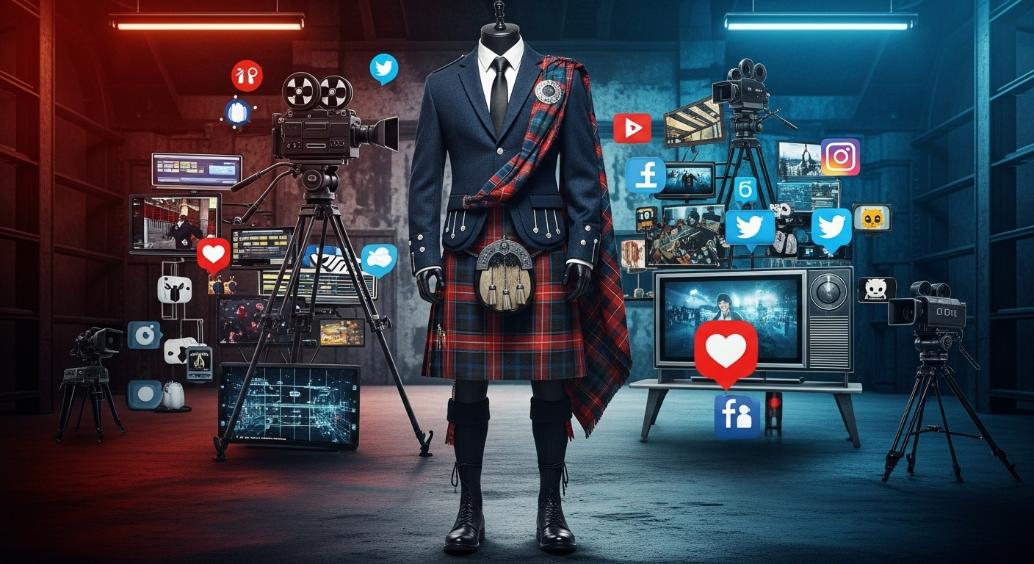
When we think of Scotland, one of the first things that comes to mind is undoubtedly the kilt. It’s a symbol of national pride, a representation of heritage, and a piece of clothing with a rich history. From the iconic tartan patterns to the bold, pleated structure, the kilt is far more than just a garment—it’s a cultural statement. Yet, despite its significant cultural and historical value, the kilt remains strangely underrepresented in mainstream media.
In today’s world, where fashion is a constantly evolving part of pop culture, the kilt is a niche, worn mainly during specific events such as weddings, Highland Games, and traditional Scottish festivals. So, why is the kilt missing from the mainstream media spotlight? And more importantly, how could it make a strong comeback in today’s fast-paced, globalized fashion world?
In this blog, we’ll explore the reasons behind the kilt’s limited visibility in mainstream media and discuss the potential paths that could lead to its resurgence. From cultural perceptions to fashion trends, there are several factors at play that explain why kilts have taken a backseat in modern media. But all hope is not lost—the kilt could still return to the global stage. Let’s dive into the fascinating journey of this iconic garment and its place (or lack thereof) in modern fashion.
The Rich Heritage of the Kilt
Before delving into the reasons behind the kilt’s absence from mainstream media, it’s important first to understand its cultural and historical significance. The kilt is far from a passing trend—it is a garment that holds deep roots in Scottish history, culture, and identity.
The Origins of the Kilt
The modern kilt evolved from the Great Kilt (or Feileadh Mòr), which was worn by Scottish Highlanders from the 16th century onwards. This early version of the kilt was essentially a large piece of tartan fabric that could be wrapped around the body in various ways. It wasn’t just a piece of clothing—it was a multi-purpose garment that doubled as a blanket or cloak in the cold, rugged terrain of the Scottish Highlands. The kilt became an emblem of Scottish pride, particularly among the Highland clans, each of which had its own unique tartan pattern to symbolize their family and heritage.
The tartan—the crisscrossed patterns of different colored threads woven together—is another iconic feature of the kilt. Each tartan design has a historical significance, often tied to specific clans or regions in Scotland. The association of the kilt with tartan patterns helped establish the kilt as a strong symbol of cultural identity.
By the 18th century, the kilt had become more streamlined and structured, transforming into the modern pleated version that we recognize today. The kilt, once a symbol of rebellion against the English, continued to evolve into an internationally recognized symbol of Scotland.
Kilts in Popular Culture
Kilts, over time, have made appearances in various aspects of popular culture, particularly in historical films such as Braveheart and Rob Roy. They also appear at significant cultural events such as the Highland Games, St. Andrew’s Day celebrations, and Scottish weddings. These events showcase the kilt’s enduring connection to Scottish heritage and its powerful symbolism.
Despite these appearances, kilts have largely stayed out of the limelight in mainstream movies, television, and fashion. So, why has this garment, which plays such an important role in Scottish culture, been relegated to the sidelines?
Why Kilts Are Missing from Mainstream Media
1. Cultural Stereotypes and Misunderstandings
One of the main reasons kilts have not gained widespread recognition in mainstream media is the stereotypical associations with the garment. Kilts are often viewed as outdated, old-fashioned, or reserved only for special events. This perception has limited their appeal, especially in an era where the fashion industry favors versatility and mainstream trends.
For example, when people think of kilts, they may picture them as a part of Scottish traditional dress for ceremonies or historical reenactments, but not as something for everyday wear. The idea of wearing a kilt casually is often associated with eccentricity, rather than being viewed as a stylish fashion choice.
Furthermore, kilts are sometimes seen as too culturally specific to Scotland. In an increasingly globalized world, the media often gravitates toward more universal styles and trends that can appeal to a broader audience. As a result, the kilt—though culturally rich—is pigeonholed as a garment with limited relevance beyond specific cultural or regional contexts.
2. Fast Fashion and Mainstream Trends
The mainstream fashion world is driven by fast fashion—the quick turnover of trends that cater to the widest audience possible. Mainstream fashion is about mass appeal and accessibility, with clothes designed to be affordable and easy to wear. In contrast, the kilt, with its historical significance and specific structure, doesn’t fit the fast-paced world of fleeting fashion trends.
Most contemporary fashion is about blending comfort, versatility, and ease of wear, and kilts—while comfortable in their own right—can be seen as more complex or impractical compared to modern-day jeans, trousers, or casual skirts. It has made it difficult for the kilt to break into mainstream wardrobes.
3. Gender Norms and Fashion Barriers
Another significant factor in the kilt’s limited presence in mainstream media is gender norms. Traditionally, the kilt is seen as a men’s garment. Yet, it has become less common for men to embrace “feminine” or gender-neutral clothing in the media. While skirts and dresses have become more mainstream for women in modern fashion, men’s clothing still tends to lean heavily on pants, suits, and other “masculine” designs.
The idea of men wearing skirts or skirt-like garments is still viewed as countercultural in many parts of the world. While there have been some shifts toward gender-neutral fashion, and notable male celebrities have worn skirts or kilt-inspired clothing (such as David Bowie, Prince, or A$AP Rocky), these are still rare occurrences. Mainstream media, especially in Hollywood and high fashion, can be slow to embrace such shifts, and this reticence has prevented the kilt from becoming a broader, more accessible style choice.
4. Lack of Representation in Film & Television
While kilts have appeared in historical films like Braveheart and Outlander, they are often limited to historical or fantasy contexts. The kilt has largely been relegated to roles in movies about Scottish history or in stories that focus on past centuries. As a result, kilts are rarely seen as a part of contemporary fashion in mainstream film or television.
Hollywood and the entertainment industry tend to focus on modern-day trends or futuristic looks, and historical or niche garments like the kilt don’t usually make it into everyday fashion depictions. This absence in the media not only limits the kilt’s visibility but also reinforces the idea that kilts belong to the past, rather than being a modern wardrobe option.
How Kilts Could Return to the Mainstream
While the kilt may have been sidelined in mainstream media, there is still hope for a revival. There are several strategies through which kilts could make a comeback in modern fashion and pop culture.
1. Celebrity Influence and Fashion Icons
In the age of social media and influencer culture, celebrities and influencers have an enormous impact on shaping trends. If more celebrities—especially male ones—began to incorporate kilts into their wardrobes, it could help normalize the garment in mainstream fashion.
For example, Harry Styles, A$AP Rocky, and Billy Porter have all embraced non-traditional fashion choices, challenging conventional gender norms. If high-profile figures began wearing kilts for performances, red carpets, or everyday life, it could significantly change public perceptions and make kilts more mainstream.
2. Revamping the Kilt for Modern Fashion
Designers could give the kilt a modern twist by redesigning it to appeal to contemporary tastes. It could involve using more lightweight materials, offering slimmer cuts, or creating a variety of kilt-inspired pieces such as kilt skirts or tartan pants.
By taking inspiration from the traditional kilt and merging it with current trends—think sleek, tailored designs and bolder patterns—designers could introduce a kilt that appeals to a younger, more diverse audience. This approach could make kilts more wearable for a broader range of people, both men and women.
3. More Representation in Media and Fashion Campaigns
If filmmakers and TV producers began to feature kilts in contemporary settings—not just in historical dramas—it could help shift the perception of the garment from “old-fashioned” to “modern chic.” Imagine a popular TV show featuring a main character wearing a kilt as part of their everyday wardrobe, not just for historical accuracy but as a fashion statement.
Fashion campaigns could also embrace the kilt, showcasing it in modern, urban settings rather than just traditional Highland contexts. By incorporating kilts into mainstream advertising and media, brands could help normalize this iconic garment in everyday life.
4. The Rise of Cultural Pride and Gender Fluidity
There’s a growing trend in fashion toward gender-fluid clothing and cultural pride, and the kilt could capitalize on both. As more people embrace clothing that challenges traditional gender roles, the kilt could be marketed as a bold, empowering garment that celebrates individuality and heritage.
Kilts could also be promoted as a symbol of cultural pride, much like other ethnic or cultural garments such as the kimono, sari, or dashiki. Positioning the kilt as a celebration of Scottish history and identity could appeal to those who want to wear something with deep cultural meaning, while also embracing modern fashion.
Conclusion: The Kilt’s Potential Comeback
The kilt, with its rich cultural significance and unique design, deserves to be more than just a ceremonial garment. While it has faced challenges in gaining mainstream attention—due to stereotypes, fashion trends, and gender norms—the kilt has immense potential for a comeback in modern media and fashion.
With the influence of celebrities, updated designs, and a broader shift toward inclusive and diverse fashion, there’s no reason why the kilt can’t make a return to the global stage. It’s a garment that has stood the test of time. With the right support, it could once again become a prominent symbol of style, pride, and cultural identity.
The kilt’s absence from mainstream media is not permanent—it’s simply waiting for the right moment to reclaim its place in the spotlight. It’s time to embrace the kilt once again—not just as a piece of clothing, but as a powerful cultural statement.
FAQ’s:
Kilts are underrepresented due to cultural stereotypes, outdated perceptions, and the fast-fashion industry’s preference for more universal trends.
Kilts could return with celebrity endorsements, redesigned modern styles, and more representation in TV shows, movies, and advertising campaigns.
Kilts are a symbol of Scottish heritage and pride, often worn at weddings, Highland Games, and cultural celebrations, maintaining their cultural significance.
Kilts are traditionally a men’s garment, and societal resistance to men wearing “feminine” or non-traditional clothing has limited their media presence.
Yes, with modern updates like lighter fabrics, new cuts, and more inclusive designs, kilts can appeal to a younger, diverse audience interested in cultural pride.